Stop Trying to Fix Yourself. You Were Never Broken
The Taoist case for self-acceptance in a self-improvement obsessed world
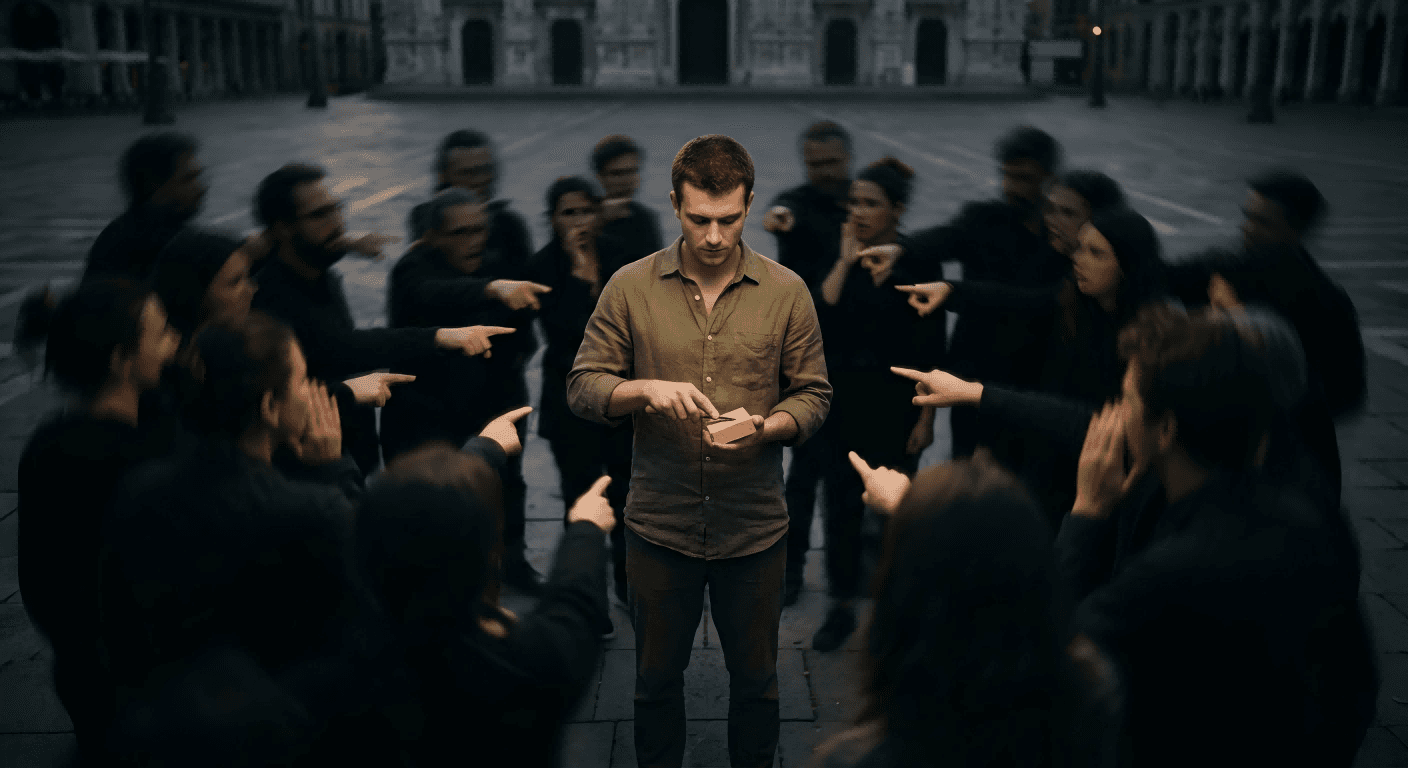
You Were Never Broken
From the moment you were born, they started telling you who to become. Your parents: You should be more disciplined. Your teachers: You should study harder. Your friends: You should dress better, talk better, be better. Your colleagues: You should be more assertive, more productive, more ambitious. Your partner: You should listen more, open up more, try harder. And now, the algorithm: You should wake up earlier, meditate longer, optimize your diet, track your sleep, fix your posture, heal your trauma, upgrade your mindset.
Everyone has advice. Everyone sees something that needs correcting. And after years of hearing it, after decades of well-meaning suggestions, loving critiques, and unsolicited feedback, you start to believe them. You start to see yourself the way they see you: as a collection of flaws waiting to be addressed.
Here's what nobody is saying: You don't need to be fixed. Because you were never broken in the first place.
The entire self-improvement industry is built on a single, unexamined assumption: that you are incomplete. That there's something wrong with you that needs correcting. That your natural state is a problem to be solved. But what if this is the real illness? What if the belief that you need fixing is the very thing that's making you suffer?
This is where Taoism offers something radically different. Taoism doesn't talk about improvement. It doesn't teach you how to become better. It invites you to remember who you already are. In a world obsessed with transformation, Taoism speaks of return. In a culture that worships progress, Taoism points to presence. In an age of endless self-optimization, Taoism whispers an ancient truth: You are already whole. You always have been.
The Broken Narrative: How You Learned to Believe You're Damaged
You weren't born feeling incomplete. This was taught to you. From the moment you entered school, you were graded, ranked, compared. Your worth became tied to performance. Good job, good grades, good college, good career, good life. The script was written before you could read it. And if you deviated? If you struggled? If you simply wanted to sit and watch clouds instead of solving equations? Then something was wrong with you.
Consumer culture perfected this art of manufactured inadequacy. Every advertisement is a mirror held up to your supposed deficiencies. Your skin isn't clear enough. Your body isn't toned enough. Your home isn't organized enough. Your life isn't optimized enough. Buy this. Try that. Fix yourself. The economy depends on your self-dissatisfaction. A person who feels whole doesn't shop. A person who feels complete doesn't consume.
Social media turned this into a full-time occupation. You're not just comparing yourself to your neighbor anymore. You're comparing your behind-the-scenes to everyone else's highlight reel. That woman on Instagram isn't just living her life; she's curating evidence that you're falling behind. That man on LinkedIn isn't just sharing his job; he's reminding you that you're not ambitious enough. Every scroll is a small cut to your sense of adequacy.
And then came the wellness industry, dressed in spiritual language but selling the same old message: You need work. You need healing. You need to dig into your trauma, regulate your nervous system, rewire your brain, shadow work your demons, manifest your reality, optimize your sleep, hack your dopamine. Don't get us wrong. Some of these tools are genuinely helpful. But the underlying message is poison: You are a project. Your existence is a renovation.
The result? A generation of people who are exhausted from trying to fix themselves. People who meditate not because it feels good, but because they should. People who journal not to express, but to optimize. People who exercise not for joy, but for punishment. People who are so busy becoming that they've forgotten how to be.
This is the broken narrative: the story you've been told, and have started telling yourself, that you are fundamentally lacking. That peace is something you earn. That wholeness is a destination you reach after enough work. That your natural state is chaos, and you must discipline yourself into order.
But here's the question Taoism asks: What if none of this is true?
The Taoist Truth: You Were Never Broken
Laozi didn't write about self-improvement. Zhuangzi didn't teach personal development. The Tao Te Ching doesn't have a chapter on how to optimize your morning routine. This isn't an accident. Taoism operates from a completely different premise than modern self-help. It starts with a radical assertion: You are already complete. You always have been. There is nothing to add, nothing to remove, nothing to fix.
The full exploration awaits.
Become a member of Tao Compass to support the work and continue your journey.